Posts

Showing posts with the label Herbs

How To Prune Tomato Plants

Image
Vegetable farmers have debated for years about whether they should prune tomato plants. Many gardeners are so careful about their pruning tomatoes, while others could care less. So who is right? Generally pruning your tomato plants promotes the health of the plants and the quality of the fruit they produce. I have had prosperous tomato crops when I pruned it, and also when I didn’t prune my tomato plants. Here are some  advantages  and  disadvantages  of pruning the tomato plants: Some Tomato Plants Pruning Advantages: Cut off the “suckers” from a tomato plant will support the plant to focus its strength on the growing fruit instead of the leaves, producing better, healthier fruit. This is a method clearly called “Pinching off”. It is arranged by pinching off the short branches that form in the like alphabetic “Y” among the central stalk and a branch. Pruning each branching off from the base of the tomato plant that is reaching the ground serves to ward...
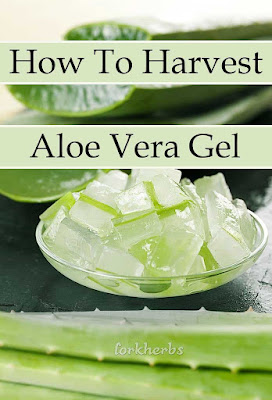
How To Harvest Aloe Vera Gel

Image
Aloe Vera is one of those plants that just approximately everyone has nearby the home. And if you don’t have some, you should. Aloe vera is one of the simplest succulents plants to grow. They are like the introverts of the succulent variety, completely left to their own devices, and checked on once in a while to see if they want anything. I’m sure we’ve all listened to the aloe’s various medicinal and beautifying methods. But behind the particular sunburn, how many of us have read that pretty green plant is a secondary thought? I believe it’s time we improve that. Positively, after viewing this article, you’ll be using your aloe plant repeatedly. In this post, I’ve turned up some of the most helpful beauty and health uses for aloe vera. I’m also continuing to explain to you how to get that aloe vera gel from the plant! How To Harvest Aloe Vera Gel Harvesting aloe vera gel is a much simple task. You’ll need to get aloe from a well-established plant that is at lea...

How to Grow Houseplants in Water

Image
After growing many indoor plants without soil successfully for the last few years, I am excited to share with you this simple method to Grow Houseplants in Water that work wonders! We will look at How to Grow Houseplants in Water, the names of plants that grow easily in water, and lots of helpful tips. If you are drooling over all the gorgeous propagation stations with glass bottles and healthy houseplants in water, let’s begin! Here Are  Some of the Popular  Houseplants  You Can Grow in Water: English Ivy Philodendron Coleus Fiddle leaf fig Begonia Geranium Spider plants Jade Peace Lily How to Grow Houseplants in Water | Houseplants Growing in Water Jar : How to Grow English Ivy in Water : Ivy plants are also easy to root in water. Trim off any bottom leaves and place your cutting in a jar on a well-lit window sill. In a few weeks, you should start to see roots growing in the water How to Grow Philodendron in Water:  Fill a clear jar or con...

How to Grow Herbs in Water Jar

Image
If you like cooking with green herbs, you'll be glad to know that you can  grow herbs in water  from a cutting. It is effortless as filling a glass of water or a mason jar and putting a cutting in the water to root. For best results, place the pot in a sunny spot like a kitchen windowsill. Several herbs survive correctly in the water. Get any suitable jars or glass container, then plant young stem cuttings in each pot. When you cut the bottom end the stem and apply some rooting hormones, it is easily capable of absorbing the water and even growing fresh roots. With proper pruning and watering, your herb plants can survive all the winter. Once your herbs have grown some roots, you could also pot them to assure they remain growing long-term. Here Are  Some of the easiest and most popular  Herbs You Can Grow in Water: Mint Sage Basil Oregano Lavender Rosemary Grow Herbs in water jar : How to grow mint in water:  If you want to gro...

EVERYTHING YOU NEED TO KNOW ABOUT GROWING ROSEMARY

Image
Growing rosemary, this wonderfully aromatic herb is essential in many kitchens. It has long narrow leaves, and colorful flowers. In the right conditions, it can be a very hearty herb to grow. Some even grow them into hedges. They make beautiful additions to landscaping, while also adding a beautiful aroma to the air. Tips For Growing Rosemary Starting from seed is a slow process. Buying plants instead is a great way to start out. Buy bigger plants rather than buying the small 1 or 2 inches. Rosemary is a slow grower, especially in the first year. In early spring, stores will be selling the larger rosemary plants. They usually sell out pretty quickly, so make sure to grab as many as you need or want. They usually run about $15-$20. Soil should be well-draining and have a pH of 5 to 8. Water only when the soil is dry. Overwatering can create root rot. During the spring and summer is the best time to harvest. Don’t harvest too much before winter begins. This will give the p...

How to Freeze Fresh Chives

Image
It’s funny that Kam’s nevermore, always bought me a pack of flowers in our relationship, but as a wholefood cook, I’m very glad to be amazed every few days with bunches of this or that for the kitchen. I wish to believe in chives is one of the simplest to use ‘finishing herbs’, excellent for spread over all manner of refreshments thanks to their gentle oniony flavor that improves everything they’re mixed with. A plate of scrambled eggs or a baked sweet potato is not a real meal till it’s got a few chopped chives on top. While you could use it into a delightful compound butter or dehydrated herb, freezing is clearly my favorite way to store fresh chives, as it means I can use the finished result in a similar process I use fresh without any loss of flavor or texture. Chives truly freeze amazingly great thankfully thanks to it’s hollow, tubular structure and while I’ve played about with freezing herbs with water, in oil, and in ice cube trays, I find they are chives are excellent ...

How to Prune Basil for Larger Yields

Image
What could probably come tight to the fragrance of basil in the summertime? Just rubbing a leaf and keeping it to your nose can grant you visions of pasta. Basil reigns as my preferred herb to have in the garden because it’s super easy to grow, and it usually seeds, so I have volunteers popping up the next spring. And if you’re worried that basil is tough to grow, there’s no need to dread. I can guide you through the entire process of growing basil from seed,  pruning, watering, and finally serving it up in sweet and savory dishes. Basil is one of the toughest and most comfortable to grow herbs for the summertime garden. How to Prune Basil Whether in a container or in your garden, basil can provide a fantastic harvest with just one plant. And not only do these wonderful plants give you fresh basil leaves but at the outcome of the season, when your plant produces small white flowers, you’ll be implementing the pollinators in your garden with a sufficient food source. But befo...

Freeze And Preserve Fresh Herbs in Olive Oil

Image
Do you use your freezer to store vegetables, fruit, or herbs? The freezer can be a great, overlooked process of preserving. strawberry puree, Pesto, tomato soup — stash them away now for freezing times! One of my favorite ingredients, a few green herbs from the garden, is one of the easiest ideas to store in the freezer, and I just learned a new, more reliable method to freeze herbs: In oil! The Gardener’s Eden promoting that you freeze some herbs in oil. Why? Preserving herbs in oil decreases some of the browning and freezer burn that herbs can get in the freezer. It’s also a great way to have herbs ready immediately for winter stews, roasts, soups, and potato dishes. These dishes usually call for oil to start with, and so you can take a cube of frozen oil, herbs inside, out of the freezer, and use this as the base of your dish. Cook the onions and garlic in this herb-infused oil and let the taste of herbs spread through your whole dish. Given this use, the oil-and-freezer m...

5 EASY HERBS THAT GROW INDOORS

Image
These five herbs that grow indoors will make long wintertimes look shorter, and boring meals much more appealing. Even if you don't have a lot of place indoor, these five herbs don't require enough except for the sunshine! So before you start this, make sure you have a south-facing window that will receive four to five hours of sunshine every day. Otherwise, they may not be too comfortable! Over the years, we've studied with various herbs and plants, and eventually determined that these five herbs were simply the ones that grew best indoors! Like I said, plenty of suns is required, and you're good to go! Add caption FIVE EASY HERBS THAT GROW INDOORS 1. OREGANO Oregano is another simple herb that can grow indoors, goes famous on pizzas and many Italian dishes such as pasta and stews! Sun: 6 to 8 hours Temperature: Normal room temperature and can withstand temperature variations of 55-75 F. Soil: Oregano desires a sandy soil mix. Mix equal parts...

10 Reasons to Grow Mint Plant At Home

Image
Mint has a bad status for taking over the garden, for a good reason. There are many reasons to grow mint plants at home or in your backyard without fear! Even though mint is a highly beneficial plant, due to its spreading nature, various of us opt to go without it altogether. The difficulty with doing this is that the mint wins. Sincerely, we are intelligent enough to outwit the mint, making it possible to experience all of its advantages. Mint is a delicious plant, and there are all types of delightful recipes that use mint. Mint is also a potent medicinal herb. There are numerous different types of mint, such as spearmint, peppermint, apple mint, and chocolate mint, all related to growing rules. Different plants are from the mint species that grow without abandon like bee balm, lemon balm, and catnip that can be involved in this analysis. Reasons to Grow Mint Plant At Home: MINT PLANT CAN ONLY MOVE SO FAST The fact of the theme is that mint is a plant, and while i...

How to Propagate Lavender from Cuttings 7 Steps

Image
Instructions on how to propagate lavender from cuttings . Lavender is a useful and beautiful plant for any garden, making it no wonder that so many of us want to grow it. You can use the lavender buds to make skincare, sachets for your clothing, or sprinkle them into cookies. When they’re in bloom they’ll draw bees and other insects from far and wide. On a strictly ornamental level, they create stunning hedges and low-maintenance architectural plants. Buying a few decent sized lavender plants will set you back a fair amount though. A fiver apiece will rack up quite the bill if you need ten, twenty, or more plants. Fortunately, there’s a way to create your own lavender plants for practically nothing. All you’ll need is an established lavender plant, time, and patience. Propagating lavender from cuttings is also fairly easy to do and you can use the same method for other plants like rosemary. Just one plant can give you dozens more for free. Now let's check How to Propagate Lavende...

Is Banana a Fruit or a Berry | Is Banana a Herb

Image
Do you ever think, Is Banana a Herb? Or a tree? Unlock the mystery in this article and enjoy this tropical fruit without any questions in mind! Bananas are one of the most popular fruits in the world! They are loaded with antioxidants and also are a rich source of magnesium, potassium, fiber, pectin, vitamin B6 and C. You can eat this nutritious fruit raw or add in smoothies or pancakes, the choice is yours! But, have you ever wondered–Is Banana a Herb, or is it a fruit? Let’s find out! Is Banana a Herb? Although it is often termed as a tree, banana is a plant, more particularly a herbaceous perennial. This makes banana, a herb, as its stem does not contain actual woody tissues. Banana plants do not have a supporting, wooden trunk. They produce multiple layers of leaves, wrapped around, forming a stem, which is 12-16 inches thick and 30-40 feet tall. This attribute makes them one of the largest ‘herbs’ on the planet. Fun Fact: Banana plant dies after fruiting. The infant...

How to Grow Lemongrass , Its Use and Health Benifits

Image
Growing lemongrass isn’t that hard. Once you get a thriving bunch established, you’ll have more lemongrass than you know what to do with. How to Grow Lemongrass : Lemongrass is a sub-tropical plant and it can’t handle hard freezing temperatures. If you live anywhere colder than about a zone 9a, you’ll want to grow your lemongrass in a pot, and bring it indoors for the winter. And even then, you might want to bring it in, just in case you get an unexpected temperature drop (the weather seems to be doing all sorts of funny things these days). Grow your lemongrass in full sun, with plenty of water, in rich, well-draining soil. If you’re growing it in a pot, top-dress it with compost or worm castings every couple of weeks, to make sure it’s getting plenty of nutrients. Lemongrass propagate Lemongrass will naturally propagate itself, once it is established. Small stalks of new plants will begin to grow off the side of existing stalks (see picture below). There are a handful of...